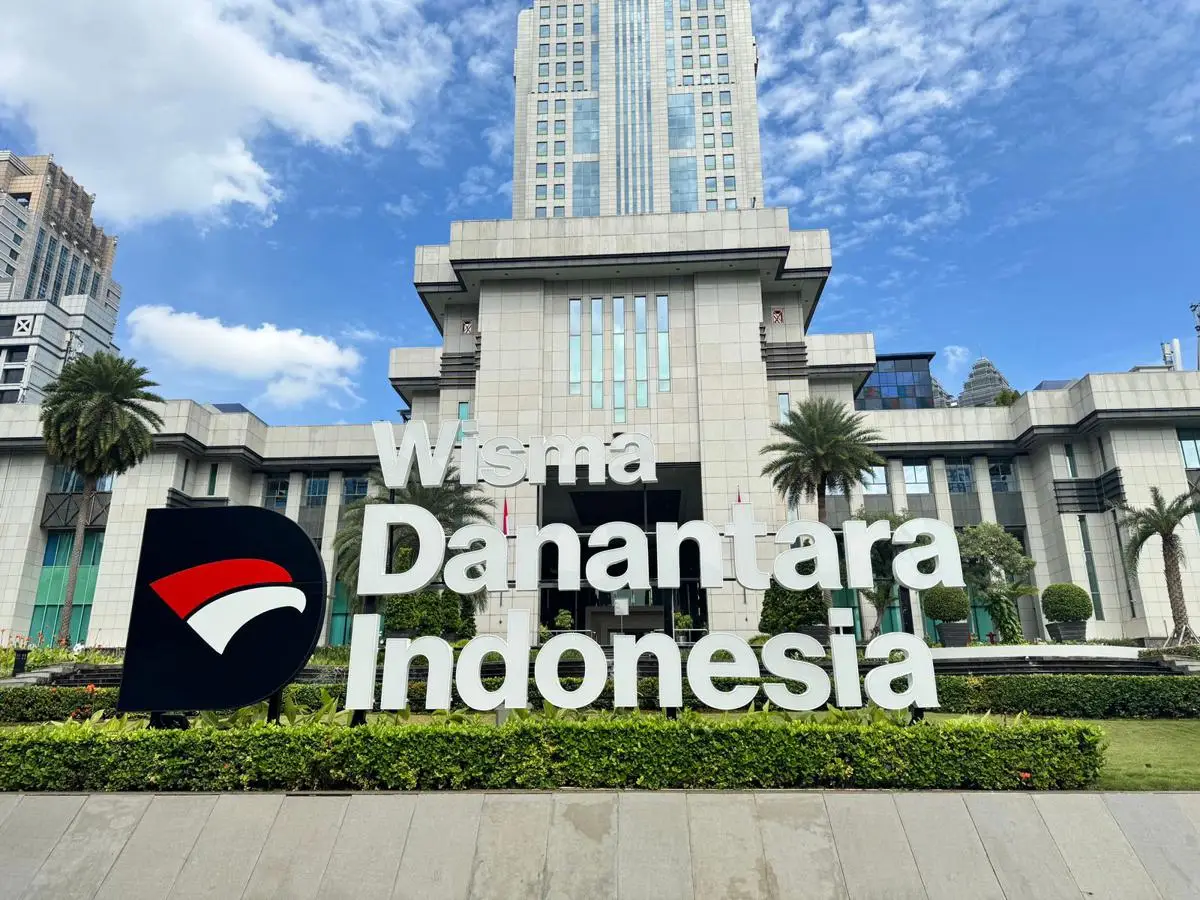
Jakarta, IDN Times — Danantara Indonesia says the merger of its four investment management (IM) companies will be accompanied by workforce transformation, stronger governance, technology development, and higher investment management standards. With a larger scale of operations, the merged company is expected to compete at both regional and global levels.
Danantara Indonesia Chief Operating Officer (COO) Dony Oskaria said consolidation needs to be accompanied by changes to workplace culture, stronger capabilities, and improved performance. Measures include job evaluations, setting career levels, and assessing employee competencies.
“Conduct job evaluations, determine the size of each role, establish a grading system, create a competency matrix, and set job requirements so that everyone is treated fairly,” Dony said in a written statement on Monday (October 19, 2026).
1. Danantara merges 4 investment managers
PT Danantara Asset Management (DAM) merged its four investment management companies on September 28, 2026. The companies are PT Danareksa Investment Management Indonesia (MMI), PT BNI Asset Management (BNIAM), PT BRI Manajemen Investasi (BRIMI), and PT PNM Investment Management (PNMIM).
Under the merger, MMI became the surviving company. All assets, liabilities, rights, and obligations of the companies that joined were transferred to MMI.
Dony said the merger aims to combine the four companies’ expertise, investment capabilities, and distribution networks. The process also needs to align their work principles, mindsets, and goals so the organizational transformation stays on course.
“This is the beginning of a long process that lies ahead. If we do not share the same principles, mindsets, and goals, we could go in the wrong direction,” Dony said.
In addition to workforce improvements, the merged company will strengthen governance and technology and raise investment management standards. These measures are expected to improve its ability to compete in regional and global markets.
2. Assets under management of Danantara’s 4 investment managers exceed Rp143 trillion
The four companies had more than Rp143 trillion in assets under management (AUM) as of September 2026. AUM is expected to grow as public awareness of investing increases and new products are introduced.
The merged company will also serve retail and institutional investors. In the retail segment, developing thematic investment products is a key focus, alongside expanding access through the network of banks belonging to the State-Owned Banks Association (Himbara).
This opportunity comes amid growth in the number of capital market investors. The national number of Single Investor Identifications (SIDs) had exceeded 30 million as of Friday (August 7, 2026).
In the institutional segment, the company will expand its investor base and provide a broader range of investment solutions to domestic institutions.
“We want to become a global player. If foreign companies can become great, why can’t we? Especially when we have such extensive distribution reach,” he said.
3. Why Danantara is consolidating state-owned investment management companies
DAM is consolidating the investment management companies to create an asset management company that can become a leading player with strong competitiveness through product and service innovation, delivering optimal added value to all stakeholders.
The affiliated transaction is expected to increase potential business synergies and complement existing capabilities, generating broader and greater benefits.
In terms of governance, the transaction is being carried out in accordance with applicable laws and regulations, particularly Financial Services Authority Regulation No. 42/POJK.04/2020 on Affiliated Transactions and Conflicts of Interest.
As an investment manager, the entity conducts business by managing securities portfolios for clients and/or managing collective investment portfolios for groups of clients.
These activities do not include managing funds belonging to insurance companies, pension funds, or banks that manage their own investments in accordance with applicable laws and regulations.