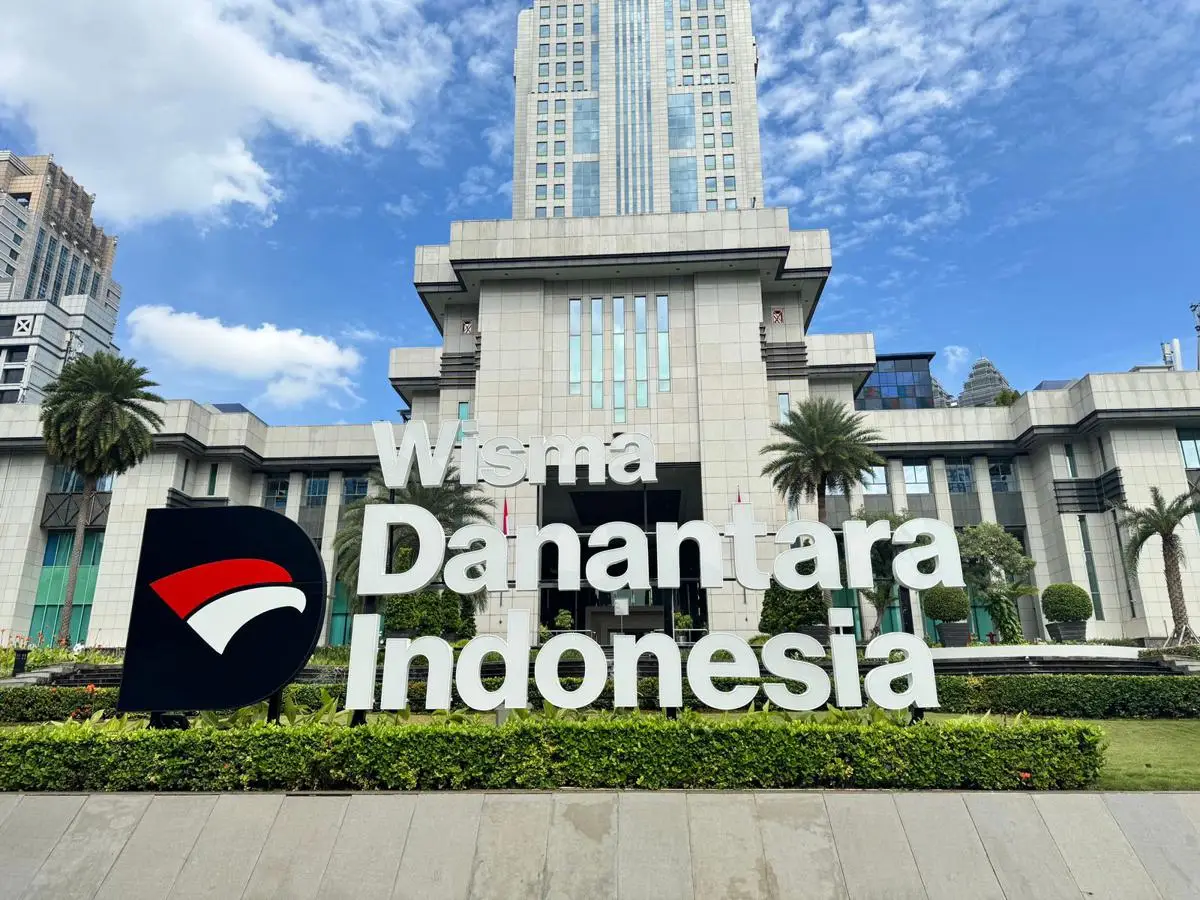
Bank Mandiri (BMRI) and Bank Negara Indonesia (BBNI) officially transferred ownership of their investment management subsidiaries to PT Danantara Asset Management (DAM) on July 22, 2026. BMRI sold all shares in PT Danareksa Investment Management Indonesia (MMI) previously held by Mandiri Sekuritas and the Bank Mandiri Employees’ Savings and Loan Cooperative. BBNI, through BNI Sekuritas, transferred 39.96 million shares in PT BNI Asset Management (BNI AM) to DAM. As a result of these transactions, MMI and BNI AM are no longer consolidated in their respective banking groups’ financial statements. The management of both banks said there would be no material impact on operations, finances, or business continuity.
The consolidation is part of a plan to establish a holding company for state-owned investment managers under Danareksa. It was targeted for completion by June 2026 by Dony Oskaria, Head of the State-Owned Enterprises Management Agency, but the process was still underway at the end of July. The four companies to be merged are MMI, BNI AM, Bank Rakyat Indonesia’s (BBRI) BRI Manajemen Investasi, and PNM Investment Management, which is affiliated with Permodalan Nasional Madani (PNM).
The move continues Danareksa’s transformation following the transfer of all its subsidiaries to Danantara. For banks, divesting their investment management units removes potential conflicts of interest between lending and asset management, but also reduces diversification in non-interest income.
Meanwhile, consolidation under a single holding company is expected to create greater synergies and bargaining power for mutual fund products, broaden the retail and institutional investor base, and improve operational cost efficiency. However, until the transactions are fully completed, uncertainty remains over the impact on each investment manager’s market share and the potential consolidation of investment products.
Why This Matters
Consolidating four Himbara investment managers into a single entity under Danareksa reshapes competition in Indonesia’s mutual fund industry. With combined assets under management, the new holding company could become a dominant player with the ability to lower costs, while also raising concerns about monopolization and fewer choices for investors. For the banks divesting their investment management units, the loss of commission-based revenue could prompt them to seek new sources of fee-based income, such as wealth management or more aggressive bancassurance offerings.
Business Impact
For BMRI and BBNI: Divesting MMI and BNI AM removes non-interest income contributions, but also reduces operating expenses and regulatory risks related to conflicts of interest. Management expects the short-term earnings impact to be immaterial.
For the investment management industry: The consolidation creates a large-scale player that can reduce costs and offer more competitive products, potentially shifting market share away from small and mid-sized private investment managers. Independent firms should prepare for margin pressure and increased price competition.
For retail and institutional investors: A centralized holding company could improve efficiency and product diversification, but may also reduce the range of fund managers available. Investors should monitor whether service quality and returns are maintained after integration.
What to Watch
Completion of the transfers: Monitor the transfer of BRI Manajemen Investasi and PNM Investment Management to DAM. Delays beyond the July 2026 target could point to internal coordination challenges among state-owned companies.
Portfolio overlap: Overlapping investment portfolios among the consolidated managers could lead to forced selling of certain assets and put downward pressure on the prices of specific bonds or stocks.
Danareksa’s plans: Watch for an official announcement on the holding company’s organizational structure and asset allocation strategy, including whether mutual fund products will be merged or rebranded in ways that could affect client preferences.