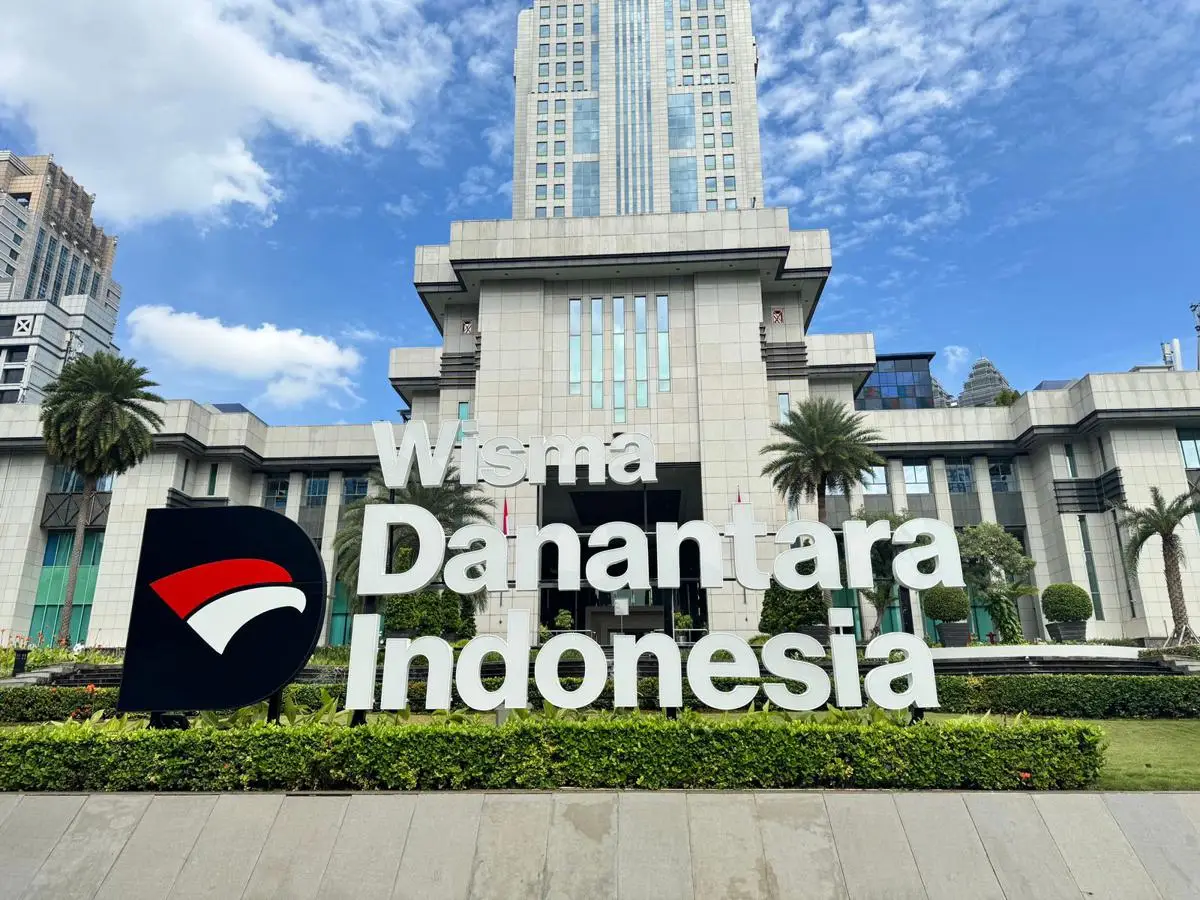
Danantara Indonesia is preparing to transform its workforce, strengthen governance, and develop its technology following the merger of four investment management companies on September 28, 2026. The move, carried out through PT Danantara Asset Management (DAM), aims to increase Indonesia’s investment management capacity and strengthen its competitiveness in regional and global markets, according to Money.
The four companies consolidated are PT Danareksa Investment Management Indonesia (MMI), PT BNI Asset Management (BNIAM), PT BRI Manajemen Investasi (BRIMI), and PT PNM Investment Management (PNMIM). MMI was designated as the surviving company, so the assets, liabilities, rights, and obligations of the other companies were transferred to MMI.
Danantara Indonesia Chief Operating Officer (COO) Dony Oskaria said the consolidation is intended to combine the four companies’ expertise, investment capabilities, and distribution networks. The merger is expected to create a national investment management institution with a larger scale of operations.
Dony stressed the need for a fair, measurable human resource management system to support the organizational changes. He said, “Conduct job evaluations, determine the size of each role, create a job grading system, prepare a competency matrix, and set job requirements so that everyone is treated fairly.”
According to Dony, business growth needs to be accompanied by changes in workplace culture, stronger capabilities, and improved performance. Job evaluations, career levels, and competency assessments are part of the effort to build a professional human resource system.
He also emphasized the importance of shared principles and goals so that all parts of the organization move in the same direction throughout the transformation.
“This is the beginning of a long process that lies ahead. If we do not share the same principles, in either our mindset or our goals, we could take the wrong steps,” Dony said.
Alongside organizational improvements, the consolidation aims to raise investment management standards and strengthen corporate governance. Technology development is also part of the strategy to support business expansion and improve international competitiveness.
According to data cited in the report, the four companies collectively had more than Rp143 trillion in assets under management (AUM) as of September 2026. That figure is expected to rise as public awareness of investment grows and new products are introduced.
The four companies also have retail and institutional client bases. In the retail market, the consolidated company plans to develop thematic investment products and expand access through the networks of banks belonging to the State-Owned Banks Association (Himbara).
The strategy comes as the national number of Single Investor Identifications (SIDs) exceeded 30 million as of Friday, August 7, 2026. In the institutional segment, the company plans to expand its investor base and provide more comprehensive investment solutions to domestic institutions.
Dony said the merged company should set its sights on international expansion by making use of its existing distribution network.
“We want to become a global player. Why can foreign companies thrive while we cannot? Especially when we have such extensive distribution reach,” Dony said.