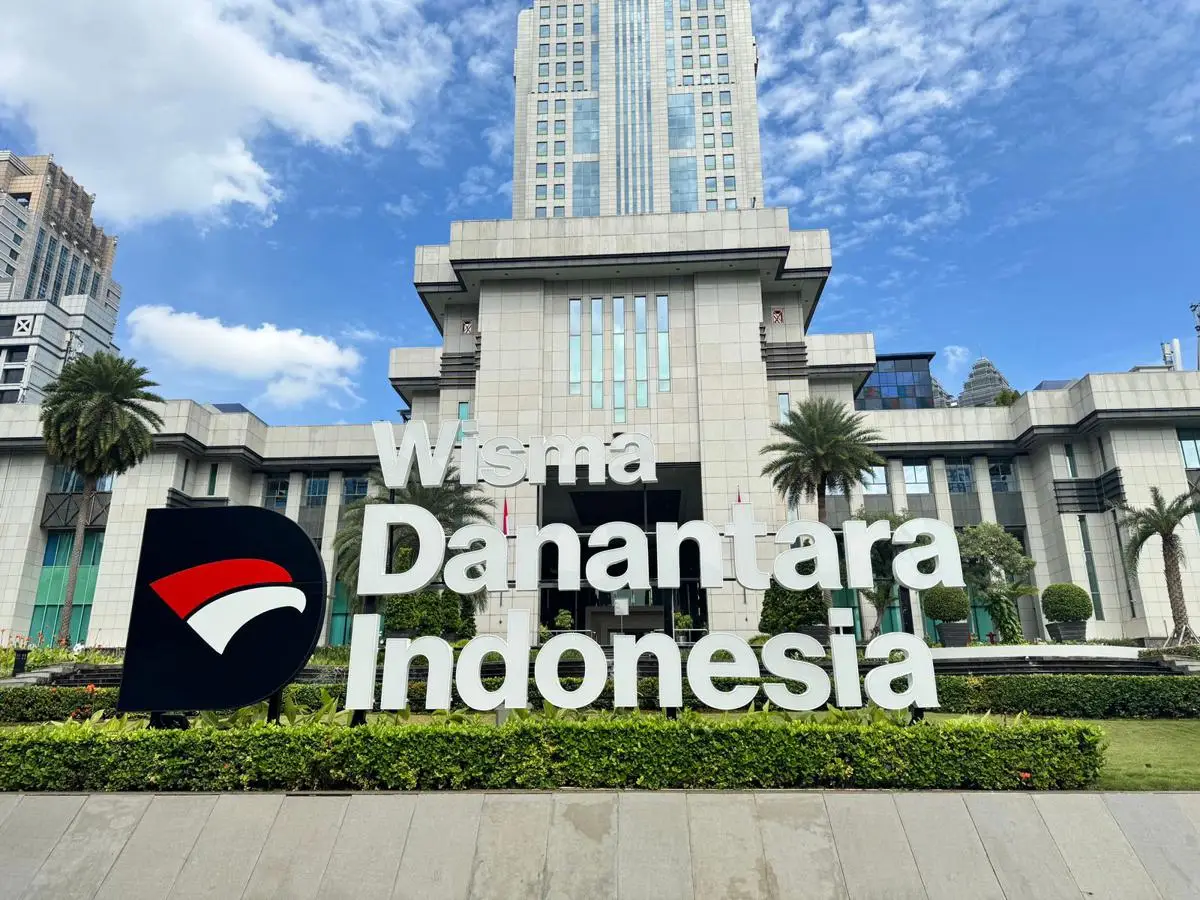
Danantara Indonesia completed the merger of four investment managers owned by the state-owned enterprise superholding into PT Danareksa Investment Management Indonesia (MMI) on September 28, 2026. The assets, liabilities, rights, and obligations of PT BNI Asset Management (BNIAM), PT BRI Manajemen Investasi (BRIMI), and PT PNM Investment Management (PNMIM) were officially transferred to MMI. As of September 2026, the four entities collectively managed more than Rp143 trillion in assets, with what was described as a strong retail and institutional client base. The consolidation makes MMI a larger national investment management institution. Danantara Indonesia COO Dony Oskaria said the merger is intended to bring together the four companies’ expertise, investment capabilities, and distribution networks. But scale does not deliver results automatically.
Danantara has identified workforce transformation, stronger governance, technology development, and higher investment management standards as post-merger priorities. Dony said role evaluations, job sizing, a grading system, a competency matrix, and job requirements would form the basis for treating every employee fairly. He also stressed the importance of aligning principles, mindsets, and goals so the merged organization does not lose its direction. What the headline leaves out is that this merger is more than an asset transfer: it is a test of cultural and operational integration. Four organizations with different investment processes, systems, and client bases must be brought together on one platform. If execution is slow, the risks include not only duplicated costs but also service disruptions and the loss of institutional clients who are sensitive to continuity in asset management.
If the integration succeeds, MMI could become a player with a distribution reach that private investment managers would find difficult to match, particularly in the retail segment connected to state-owned banks’ networks.
Meanwhile, market conditions are unfavorable: the Jakarta Composite Index (JCI) stands at 4,997, down 3.64%, while the rupiah is at 17,943 per U.S. dollar. This makes integration more challenging because domestic asset valuations are under pressure and investor appetite for riskier products is being tested. Over the next 1–4 weeks,
Why This Matters
The consolidation is reshaping competition in the investment management industry: private competitors face a larger entity with a broader retail and institutional client base, while clients may see changes to product offerings and service standards. More importantly, the merger’s success will depend not on the transfer of assets but on the ability to integrate investment processes and workplace cultures without undermining client trust.
Business Impact
MMI will immediately manage more than Rp143 trillion in assets, serving retail and institutional clients. This scale gives it greater influence over product distribution, but also requires standardized investment and reporting processes to prevent operational risks from increasing.
Private investment managers and wealth management platforms face a larger competitor affiliated with a state-owned enterprise group. Competitive pressure could emerge in the retail segment through fees, distribution access, and product range. A longer-term consequence could be further industry consolidation if smaller players struggle to maintain scale.
Over the next 3–6 months, an often-overlooked impact will be the burden of integrating systems and staff: combining platforms, aligning compensation, and assessing competencies can absorb management capacity. If poorly handled, the risk of key employees leaving and service disruptions could weaken institutional client retention.
What to Watch
Over the next 1–4 weeks, watch for announcements on MMI’s management structure and post-merger integration roadmap following September 28, 2026. Without clarity on investment, operations, and compliance responsibilities, consolidation could proceed without clear accountability.
A risk to monitor is any change to product offerings or service fees after the merger. If accompanied by service disruptions, retail and institutional clients may delay investing or move their funds elsewhere.
An important signal will be the direction of MMI’s assets under management after consolidation. AUM growth would indicate that distribution synergies are working, while a decline could be an early sign of eroding client confidence.