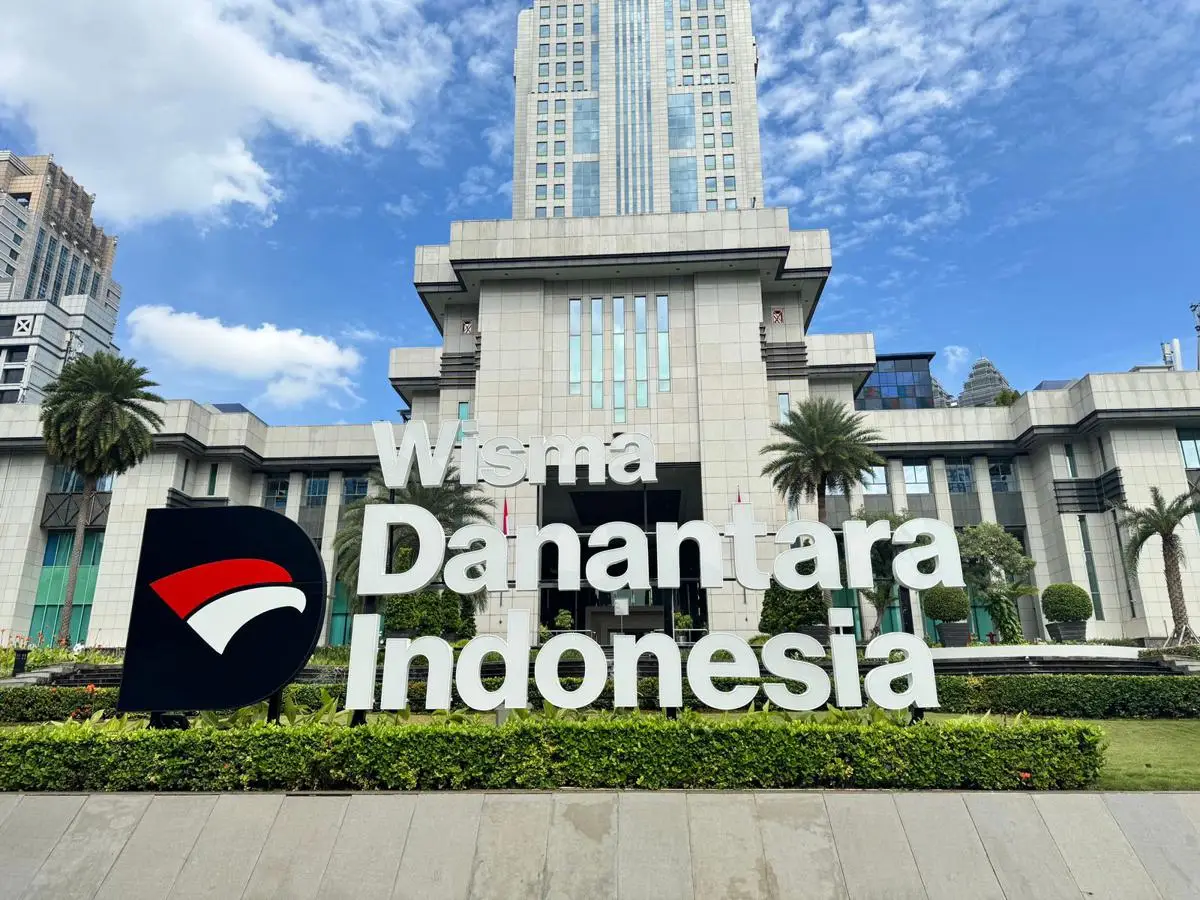
Danantara Indonesia is preparing a business transformation after completing the merger of four investment management companies within the State-Owned Enterprises (SOEs) sector. The consolidation, completed on September 28, 2026, formed an investment management entity with total assets under management (AUM) of more than Rp143 trillion as of September 2026.
The merger involved PT Mandiri Manajemen Investasi, PT BNI Asset Management, PT BRI Manajemen Investasi, and PT PNM Investment Management. The move is part of Danantara’s strategy to strengthen Indonesia’s investment management industry and improve the companies’ competitiveness in regional and international markets.
As part of the merger, PT Danareksa Investment Management Indonesia was designated as the surviving company. Accordingly, all assets, liabilities, rights, and obligations of the other three companies were transferred to it.
The consolidation process, carried out by PT Danantara Asset Management under the leadership of Dony Oskaria, focuses not only on combining the businesses but also on organizational improvements, human resource development, technology modernization, and higher standards of investment governance.
Danantara Indonesia Chief Operating Officer Dony Oskaria stressed that integrating the four investment management companies must be accompanied by the creation of a professional, transparent, and fair organizational system.
He said workforce restructuring is a priority to ensure that every employee has a clearly defined role, responsibilities, and career path within the merged company.
“Conduct job evaluations, determine job sizes, establish a grading system, create a competency matrix, and set job requirements so that everyone is treated fairly,” Dony said.
The restructuring includes job evaluations, grouping roles by level of responsibility, developing an assessment system, and mapping the competencies the company needs.
Through this approach, Danantara aims to build an organization that can make the most of employees’ skills and experience from each of the companies that merged.
Alongside organizational restructuring, aligning workplace cultures is also a priority. Dony said successful consolidation requires a shared vision, principles, and goals across the companies.
“This is the beginning of a long process that lies ahead. If we do not share the same principles, mindset, and goals, we could go in the wrong direction,” he said.
The merger of the four companies has created a larger business, with combined AUM exceeding Rp143 trillion as of September 2026.
The size of the AUM is one of the resources the merged company can use to increase its investment management capacity, expand its portfolio, and develop financial products suited to market needs.
Combining the companies’ investment management capabilities and distribution networks is also expected to improve operational efficiency and expand access to services for investors.
Danantara is also preparing to raise portfolio management standards and strengthen its technology infrastructure to support investment activities at a larger scale.
These improvements are intended to help the company provide more integrated services to both individual and institutional investors.
In the retail segment, the merged company plans to offer thematic investment products tailored to changing public needs and preferences.
Its distribution strategy will also be strengthened by using the networks of banks belonging to the State-Owned Banks Association (Himbara). These networks are expected to extend the reach of investment products across Indonesia.
This move aligns with the growth in the number of investors in Indonesia’s capital market. As of Friday, August 7, 2026, the number of Single Investor Identifications (SIDs) had exceeded 30 million.
The growing investor base gives the investment management industry an opportunity to expand the reach of its products and increase public participation in financial instruments.
In the institutional segment, meanwhile, the company will strengthen its services by expanding its investor base and offering more comprehensive investment solutions to domestic institutions.
Strengthening both segments is part of the effort to build a more integrated business model, supported by broader distribution networks and greater fund management capabilities.
Danantara sees improving international competitiveness as one of the long-term goals of consolidating the four investment management companies.
By strengthening fund management capabilities, technology, human resources, and distribution networks, the merged company is expected to be able to compete with regional and global investment institutions.
Dony said Indonesian companies have the potential to become international players, particularly with the support of the distribution networks already held by SOE groups.
“We want to become a global player. If foreign companies can become great, why can’t we? Especially when we have such extensive distribution reach,” Dony said.
With the merger complete, Danantara’s focus has shifted to organizational transformation and operational improvements. The success of this integration will be a key factor in determining the company’s ability to grow its investment management business sustainably.